
Welcome to IveBalance
Educational guidance on structured eating routines and lifestyle habits
Explore Daily Routines
IveBalance provides educational information about structured eating patterns and daily habits. We focus on lifestyle coaching and general nutrition education, not medical advice or treatment.
Learn about various eating routines, meal planning basics, and how to build consistent daily habits.
Explore different scheduling approaches for meals and fasting windows that may fit your lifestyle.
Information on building sustainable daily routines including sleep, movement, and hydration habits.
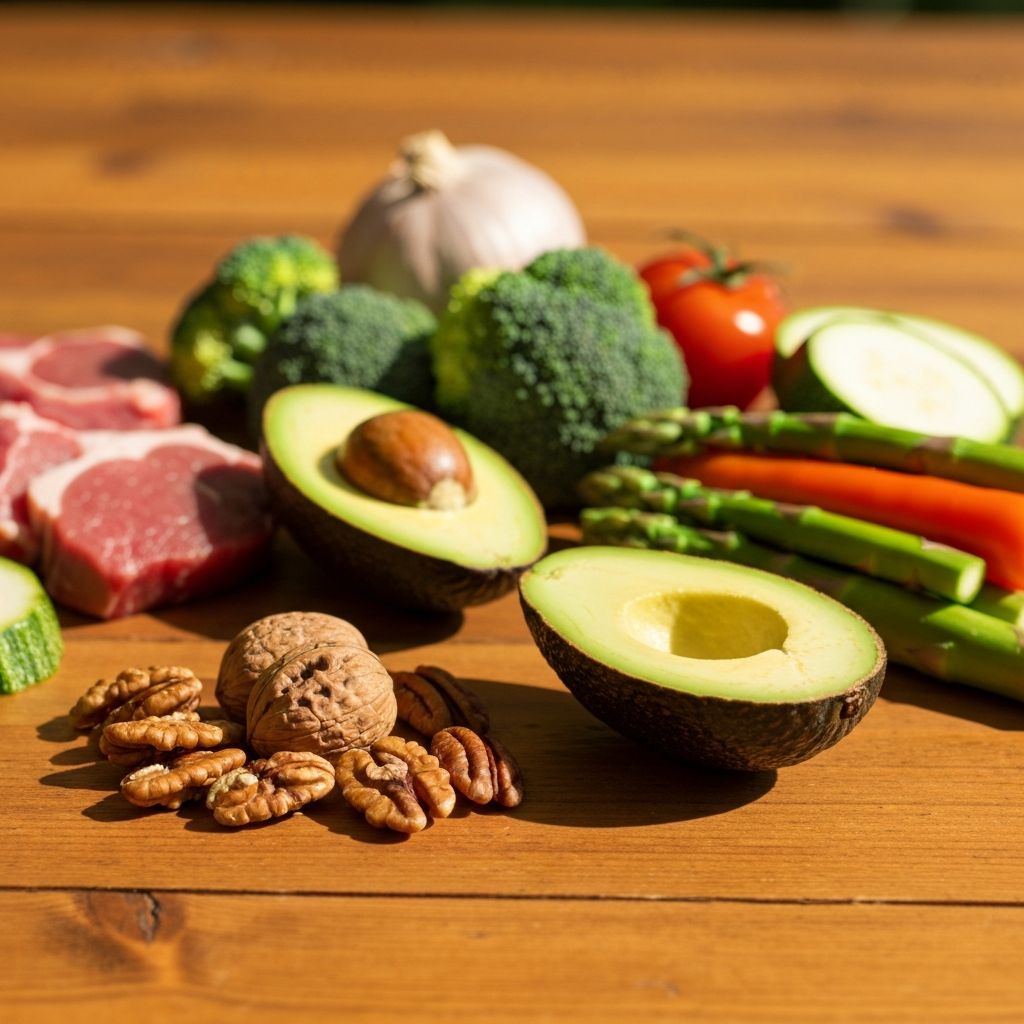
A keto-style routine typically involves reducing carbohydrate intake while increasing healthy fats and moderate protein. This eating pattern shifts the body toward using fat as a primary energy source.
This approach is simply one way some people choose to structure their meals. It's an educational concept, not a prescribed solution or guaranteed method.
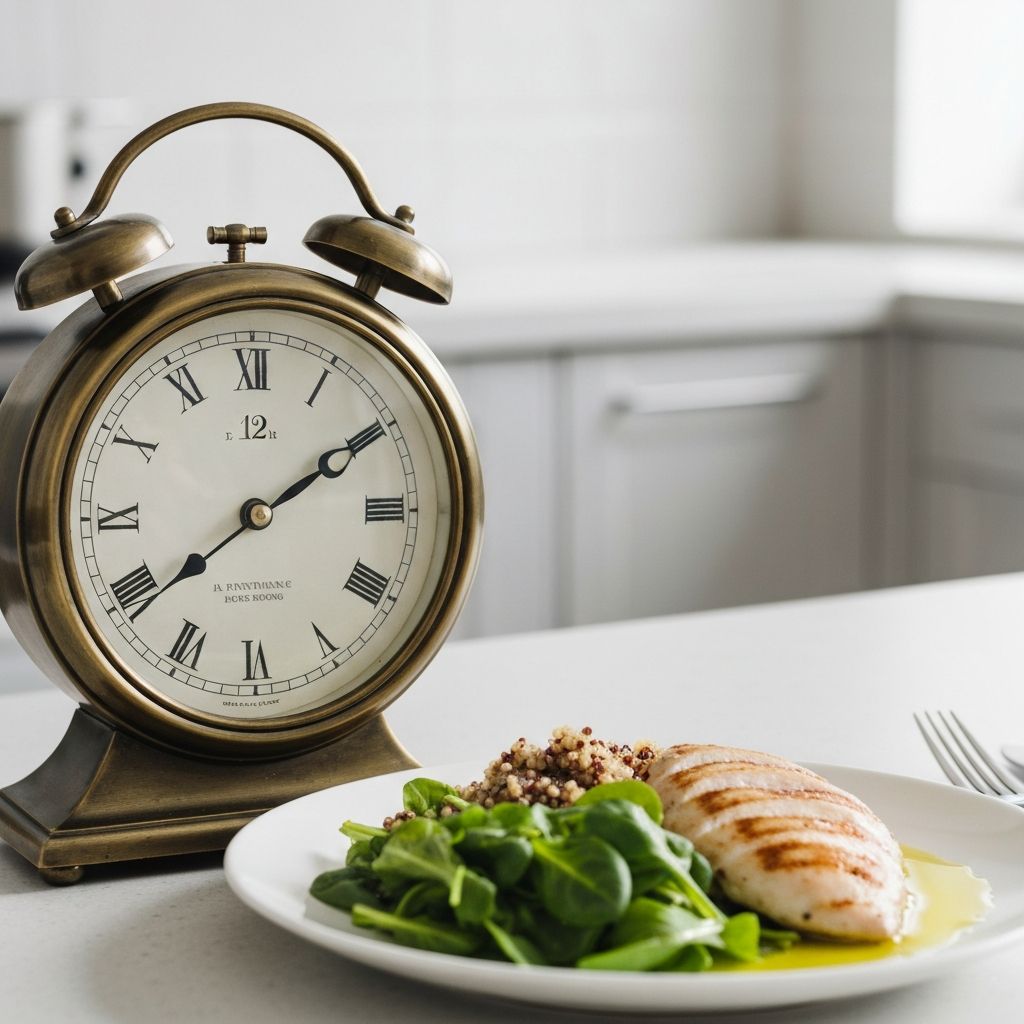
Intermittent fasting is a general eating pattern that cycles between periods of eating and fasting. It's about when you eat rather than what you eat.
Common approaches include:
Note: These are general education examples. Individual experiences vary, and no specific outcomes are guaranteed.
Here are some neutral examples of how people structure their eating routines. Each person's needs are different.
Eating between 12:00 PM and 8:00 PM (16/8 pattern)
Alternating eating patterns throughout the week
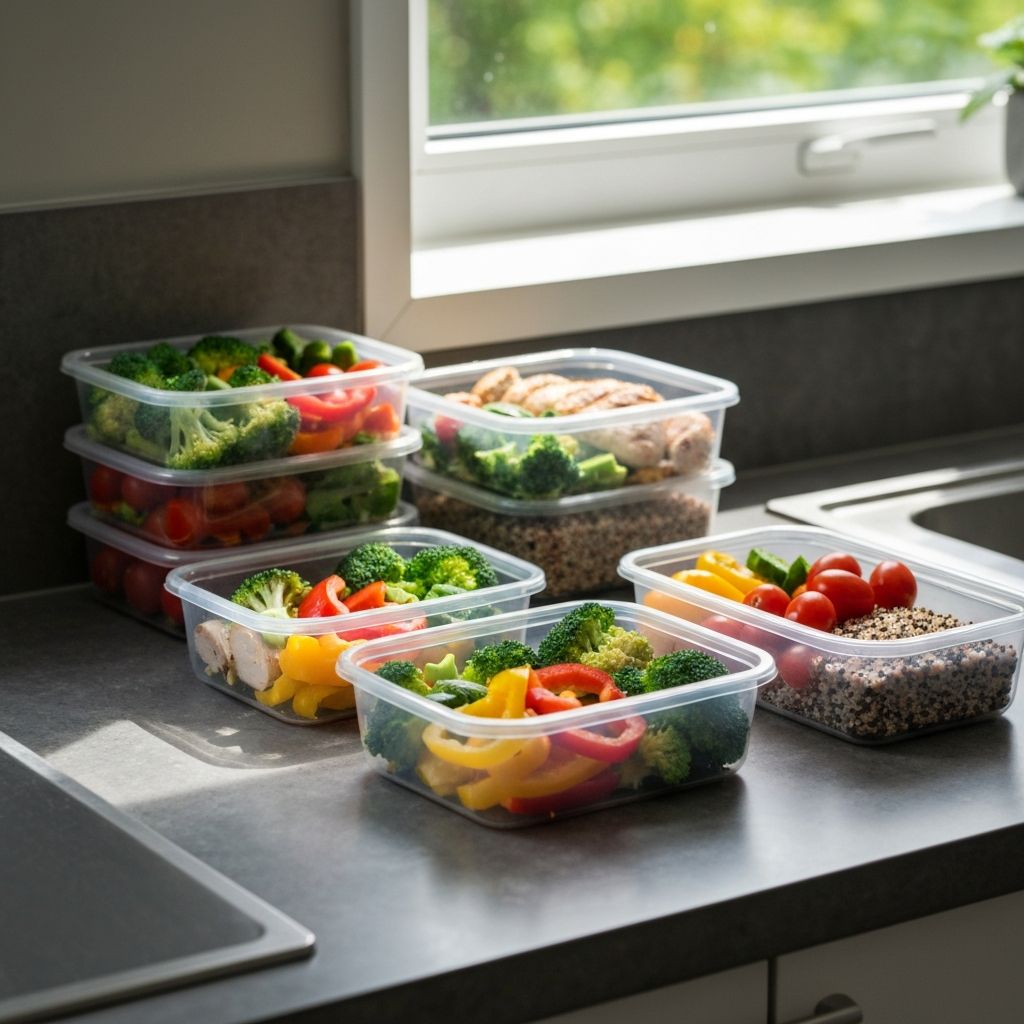
Building a consistent routine often starts with preparation:
Staying hydrated is an essential part of any daily routine:
General guidance on food selection:

Adequate rest supports overall daily consistency. Aim for regular sleep schedules and create a restful environment.

Regular physical activity complements structured eating routines. Find activities you enjoy and can maintain consistently.

Building sustainable habits takes time and patience. Track your routines and adjust as needed for your lifestyle.
Structured eating routines can be explored by various individuals interested in lifestyle changes.
People who may find this information useful include:
This information is educational in nature and intended for general knowledge purposes.
Before making any significant changes to your eating routine, consider these general points:
IveBalance provides lifestyle education and coaching, not healthcare services. You are responsible for your own choices and well-being.
Individual experiences with routine changes
"The educational resources helped me understand meal timing better. I appreciated the neutral information without pressure."
"Learning about meal planning made my weekly routine more organized. The practical tips were useful for my busy schedule."
"I found the information on eating windows helpful for structuring my day. Good general guidance without unrealistic promises."
Begin by educating yourself about different approaches, then choose one that seems suitable for your lifestyle. Start gradually and observe how you feel.
There is no single approach that works for everyone. Common patterns include 16/8 or 18/6 eating windows, but individual preferences vary greatly.
Generally, whole foods, vegetables, quality proteins, and healthy fats form the foundation of many structured eating routines. Minimize processed foods and added sugars.
Many people adapt their routines while traveling. Planning ahead, staying hydrated, and remaining flexible can help maintain consistency.
Everyone's adaptation period is different. Some people adjust within days, others may take weeks. There is no guaranteed timeline.
You can request general guidance through our contact form. For personalized health matters, consult with qualified professionals in your area.
Request general information about structured eating routines and lifestyle guidance
Request a ConsultationNo obligations or guarantees - just educational guidance